
In a world where burnout has become the new normal, our homes are no longer just places to crash between busy days — they’re becoming our sanctuaries. I discovered this the hard way after a particularly brutal work week left me staring at my cluttered apartment, wondering why I couldn’t seem to relax in my own space. That’s when it hit me: our living environments directly impact our mental wellbeing.
Wellness-focused home design isn’t just a trendy hashtag — it’s a lifestyle revolution that’s transforming how we think about our personal spaces. By intentionally designing our homes to support mental and physical wellbeing, we create environments that help us live more mindfully and present.
Ready to transform your home into a haven for mindful living? Let’s dive into the essential elements of wellness-focused home design that can help you create spaces that nurture your mind, body, and spirit.
1. The Power of a Dedicated Meditation Space
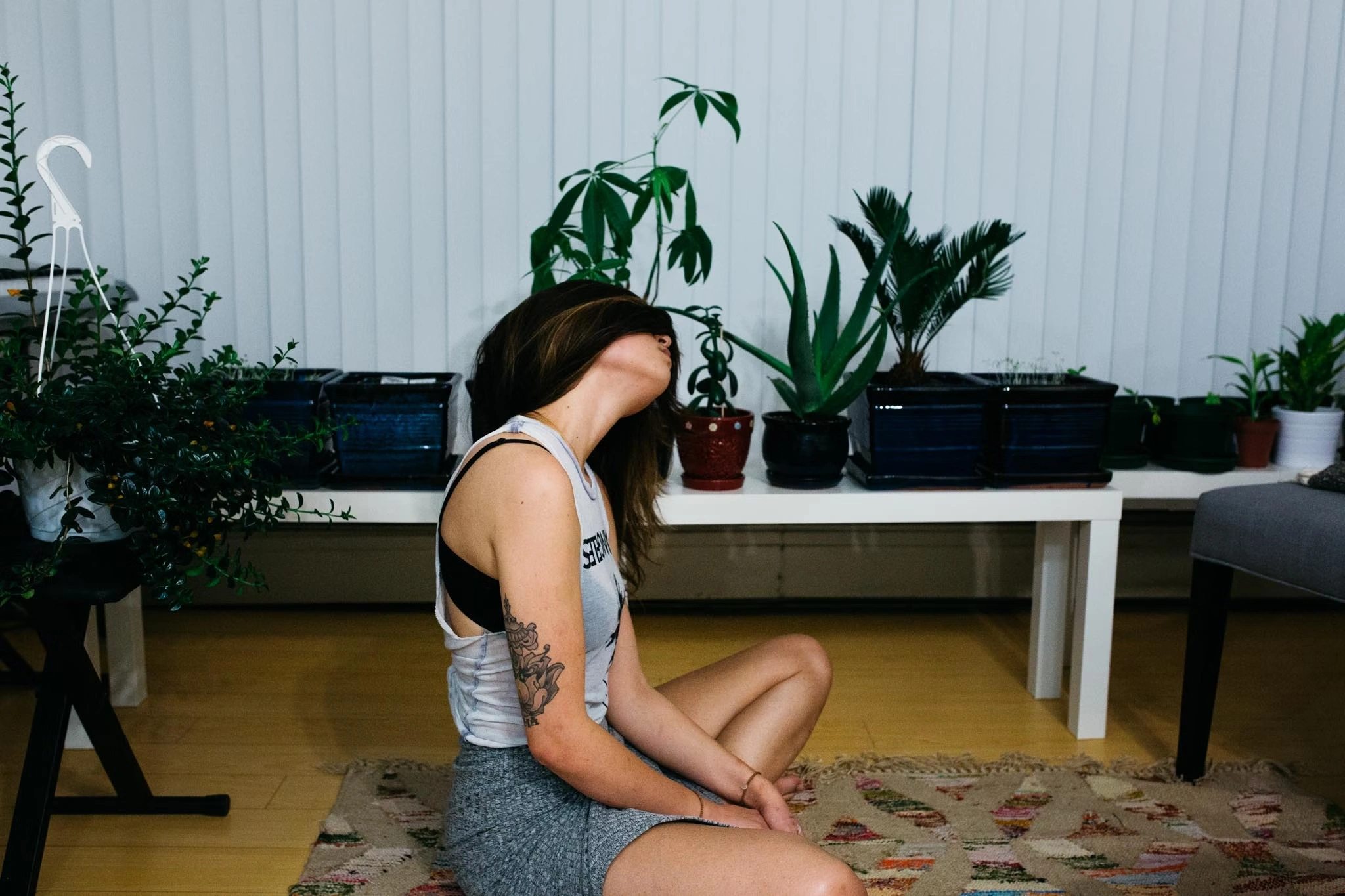
When my friend Alex converted a tiny corner of her studio apartment into a meditation nook, I was skeptical. How much difference could a floor cushion and a small table make? Turns out, a lot.
Creating a dedicated meditation space, no matter how small, signals to your brain that it’s time to shift gears from doing to being. The physical boundary of this space helps separate your meditation practice from the chaos of daily life.
How to create your meditation corner:
- Choose a quiet spot with minimal traffic and distractions
- Keep it simple — a comfortable cushion or chair is all you need to start
- Add elements that engage your senses positively, like a small plant or a soothing scent
- Consider soft, diffused lighting rather than harsh overhead lights
- Keep technology out — this is your screen-free zone
A dedicated meditation space becomes your anchor for mindfulness, giving you a physical location to return to whenever life feels overwhelming. I’ve found that even just sitting in my meditation corner for five minutes can reset my mental state.
2. Bringing Nature Indoors: Biophilic Design Principles
There’s something almost magical about the calming effect of natural elements in our homes. This connection isn’t coincidental — biophilic design, which incorporates nature into our living spaces, taps into our innate affinity for the natural world.
After introducing more plants into my apartment, I noticed an immediate shift in how I felt when I walked through the door. The space felt alive, vibrant, and somehow more peaceful.
Ways to incorporate biophilic design:
- Add a variety of indoor plants (snake plants and pothos are nearly impossible to kill)
- Use natural materials like wood, stone, and clay in your furniture and decor
- Maximize natural light by keeping windows unobstructed
- Incorporate organic patterns and textures in textiles and wall coverings
- Consider a small indoor water feature for the soothing sound of flowing water
Research shows that biophilic design elements can reduce stress, improve cognitive function, and enhance creativity. Plus, caring for plants can become a mindful practice in itself, encouraging you to slow down and pay attention to the needs of another living thing.
3. Creating a Spa-Like Bathroom Retreat
Your bathroom has untapped potential as a wellness sanctuary. With thoughtful design choices, you can transform this utilitarian space into a spa-like retreat for daily relaxation rituals.
I used to rush through my morning shower like it was just another task to check off. Now, my bathroom has become a place where I actually want to spend time, creating moments of peace at the beginning and end of each day.
Elements of a wellness-focused bathroom:
- Install a rainfall showerhead for a more immersive experience
- Incorporate natural elements like wooden bath mats and stone accessories
- Choose soft, absorbent towels in calming colors
- Add plants that thrive in humid environments, like ferns or peace lilies
- Install dimmer switches to adjust lighting based on your mood
- Store bath salts, essential oils, and natural scrubs in beautiful containers
Remember, the goal isn’t to create an Instagram-worthy space (though that might happen naturally). Instead, focus on designing a bathroom that encourages you to slow down and practice self-care as part of your daily routine.
4. Designing a Home Yoga Studio
You don’t need an entire room to create a functional yoga space at home. A thoughtfully designed area that accommodates your practice can make the difference between consistent yoga sessions and a rolled-up mat collecting dust in your closet.
When I designated a specific area for yoga practice in my living room — with just enough space for a mat and a few props — my practice became more consistent. Having this space ready and waiting eliminated the friction of setting up before each session.
Essential elements for a home yoga space:
- Clear enough floor space for your mat plus movement around it
- Store yoga props (blocks, straps, blankets) in an accessible but tidy way
- Consider the floor surface — carpet, hardwood, or a dedicated yoga mat
- Ensure good ventilation and temperature control
- Add inspiring elements like meaningful artwork or a small altar
- Position yourself to look at something calming, like a blank wall or a nature view
Your yoga space should feel inviting and distraction-free, making it easier to transition from daily activities to mindful movement. Even if this space serves other purposes when you’re not practicing, having a designated area helps create a mental boundary around your yoga time.
5. Mindful Kitchen Design for Nourishing Rituals
The kitchen is often the heart of the home, but it can also be a source of stress. Transforming your kitchen into a mindful space supports healthy eating habits and turns meal preparation into a nourishing ritual rather than a chore.
I noticed that when my kitchen was cluttered and chaotic, I’d opt for takeout over cooking. After redesigning with wellness in mind, I found myself actually enjoying the process of preparing meals.
Creating a wellness-focused kitchen:
- Declutter countertops to create clear workspace
- Organize tools and ingredients for intuitive access
- Incorporate a small herb garden for fresh flavors and connection to growing food
- Choose natural, non-toxic materials for surfaces and utensils
- Create a comfortable spot for mindful eating, away from screens
- Consider color psychology — blues and greens can create a calming atmosphere
A well-designed kitchen supports not just physical nourishment through healthy food but also the mental wellbeing that comes from engaging in the sensory experience of cooking and eating without distraction.
6. Crafting a Sleep Sanctuary
Sleep is perhaps the most fundamental element of wellness, yet many of us treat our bedrooms as multipurpose spaces filled with stimulating technology and reminders of daytime responsibilities.
After struggling with insomnia, I realized my bedroom was working against me. By redesigning it as a true sleep sanctuary, I saw significant improvements in both sleep quality and my overall sense of wellbeing.
Elements of a sleep-promoting bedroom:
- Keep technology to a minimum — ideally, no TV or work devices
- Choose calming, muted colors for walls and bedding
- Invest in a quality mattress and pillows that support your sleep position
- Install blackout curtains or shades to control light exposure
- Use soft, layered lighting instead of harsh overhead lights
- Control temperature — slightly cool is ideal for most people
- Reduce noise with rugs, fabric wall hangings, or a white noise machine
Your bedroom should signal to your body and mind that it’s time to relax and rest. By creating clear boundaries around this space — keeping work materials and stimulating activities elsewhere — you reinforce the bedroom’s role as a place of renewal.
7. Thoughtful Color Psychology in Home Design
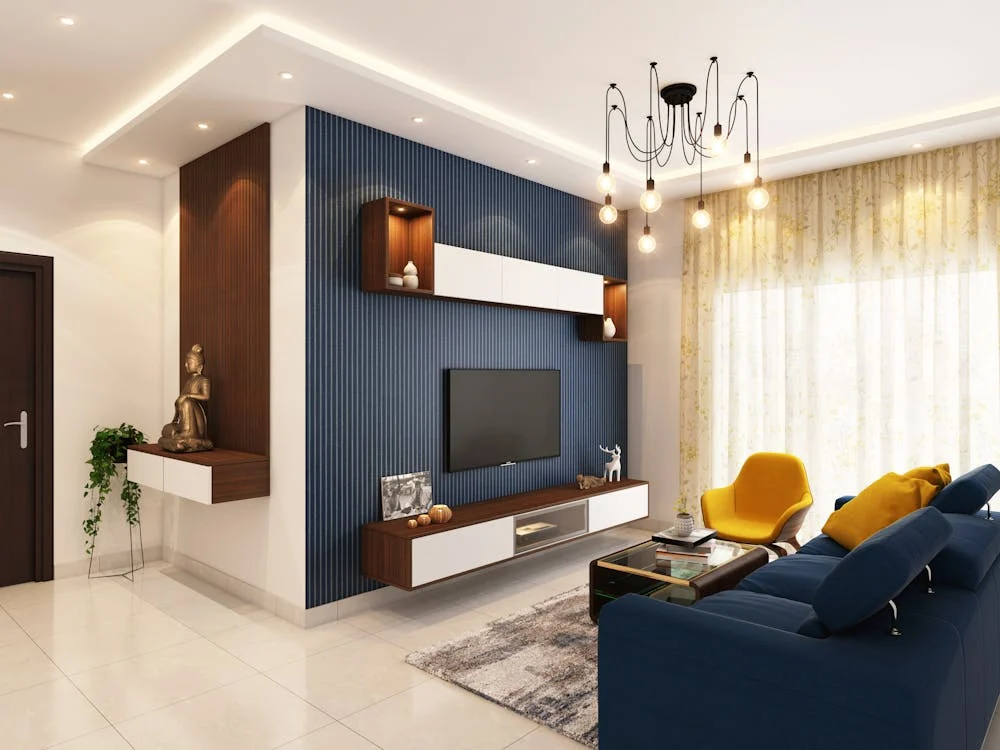
Colors affect us on a physiological level, influencing everything from our mood to our heart rate. Intentionally choosing a color palette based on how you want to feel in each space can significantly impact your home’s wellness factor.
I was surprised by how much changing the wall color in my home office from bright white to a soft sage green affected my stress levels during work calls. The shift was subtle but undeniable.
Color considerations for wellness-focused homes:
- Blues and greens promote calm and relaxation, ideal for bedrooms and meditation spaces
- Warm neutrals create grounding, comfortable environments in living areas
- Brighter accents of yellow or orange can add energy to spaces where you want to feel more active
- Avoid overly stimulating colors in rooms dedicated to relaxation
- Consider the natural light in each room — colors appear differently depending on light exposure
- Test paint samples at different times of day before committing
Remember that personal associations with colors matter too. Choose shades that resonate with you personally, not just what’s trendy or prescribed by design rules.
8. Creating Transitions Between Spaces
In our open-concept modern homes, it’s easy for activities and energies to blend together. Creating intentional transitions between different areas helps signal to your brain when you’re switching contexts.
I started using a simple ritual of lighting a candle when transitioning from my workday to evening relaxation. This small act created a psychological boundary that helped me leave work stress behind.
Ways to design meaningful transitions:
- Use area rugs to define different functional zones within open spaces
- Create visual breaks with furniture arrangement, screens, or plants
- Design hallways and entryways as intentional spaces rather than just pass-throughs
- Incorporate rituals for entering different areas (removing shoes at the door, etc.)
- Consider how lighting changes can signal transitions between activities
- Use sound strategically — perhaps music in social areas and quiet in personal spaces
These transitions help maintain the integrity of each area’s purpose, preventing the bleeding of stress or work energy into spaces meant for relaxation and presence.
9. Decluttering as a Wellness Practice
Physical clutter creates mental clutter. One of the most impactful wellness design principles is simply having less stuff competing for your attention.
The weekend I finally tackled my overflowing closet was transformative. Not only did my bedroom feel more peaceful, but I also noticed I felt less mentally scattered. The external order seemed to create internal calm.
Mindful approaches to decluttering:
- Start with visible surfaces that impact you daily
- Create simple organizational systems that are easy to maintain
- Question new purchases: “Does this support my wellness goals?”
- Design storage that keeps necessities accessible but out of sight
- Consider the emotional weight of objects, not just their function
- Implement a “one in, one out” policy to prevent accumulation
Decluttering isn’t about achieving some minimalist ideal — it’s about creating space, both physical and mental, that allows you to be more present and at ease in your home.
10. Incorporating Technology Mindfully
Technology is an inescapable part of modern life, but its presence in our homes often works against wellness goals. The key is designing your space to put technology in its place.
After establishing a charging station away from my bedroom, I broke my habit of late-night scrolling. This simple boundary improved both my sleep and my morning routine.
Strategies for mindful technology integration:
- Create tech-free zones, especially in bedrooms and dining areas
- Design a specific charging station where devices rest overnight
- Consider furniture that conceals technology when not in use
- Position screens to minimize their dominance in rooms
- Explore smart home features that support wellness (automated lighting for better sleep cycles, etc.)
- Use technology intentionally to enhance wellness (meditation apps, nature sounds, etc.)
The goal isn’t to eliminate technology but to design your space so that you control technology, rather than letting it control your attention and wellbeing.
Bringing It All Together: Your Wellness Design Action Plan
Creating a home that supports mindful living doesn’t happen overnight. It’s an evolution that reflects your personal wellness journey. Start with the spaces where you spend the most time or the aspects of wellness that matter most to you right now.
I began with my bedroom because sleep was my biggest struggle. You might prioritize a meditation corner or a decluttered kitchen, depending on your needs.
Remember that wellness-focused design isn’t about perfection or following every trend. It’s about creating a home that supports your unique version of a mindful, present life. The true measure of success isn’t how your space looks, but how it makes you feel.
What small change can you make today to bring more mindfulness into your living space? Sometimes the smallest shifts — a plant on your desk, a comfortable meditation cushion, or simply clearing a countertop — can be the beginning of a home that truly supports your wellbeing.
Your home should be more than just a place to live — it should be a space that helps you live well.


