
Let’s face it—few things impact your home’s vibe as instantly as lighting. The right light can transform a sterile apartment into a cozy sanctuary or turn a mundane dinner into an Instagram-worthy gathering. But today’s smart lighting systems go way beyond just setting the mood. They’re revolutionizing how we interact with our homes, slashing energy bills, and yes, making us look way better in our living room selfies.
I spent the last six months transforming my once boringly-lit apartment into a responsive, mood-matching light show, and the difference has been nothing short of transformative. From lights that gradually wake me up in the morning to systems that automatically adjust when I’m watching movies, the technology has changed not just how my space looks, but how it feels to live in it.
Ready to bring your lighting into the 21st century? Let’s explore the top smart lighting innovations that will transform your space while keeping your energy consumption (and electric bills) in check.
1. Smart Bulbs: The Gateway to Intelligent Lighting
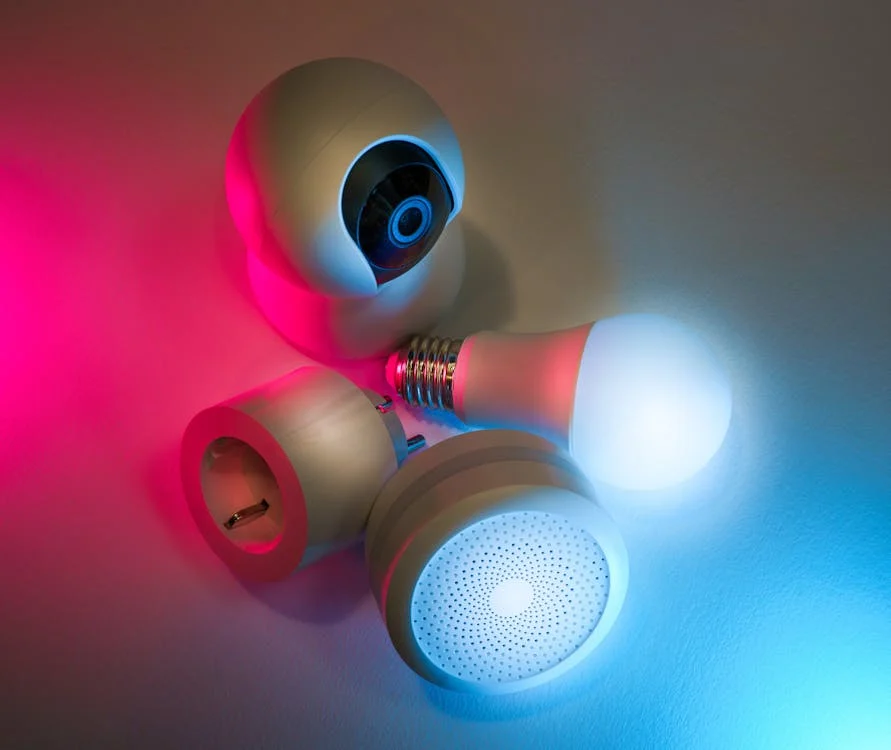
If you’re new to the smart lighting game, smart bulbs are your perfect entry point—simple to install but revolutionary in function.
The Philips Hue system continues to lead the pack with its intuitive app control and remarkable versatility. What makes these bulbs special isn’t just that they can change colors (though watching your living room transform from energizing daylight to a relaxing sunset amber is pretty magical). It’s how seamlessly they integrate into your daily routines. I’ve programmed mine to gradually brighten in the morning, mimicking a natural sunrise that helps me wake up more naturally than my old jarring alarm.
Installation couldn’t be simpler—just screw them in like regular bulbs and connect them to the Hue Bridge for full functionality. While the initial investment might make you wince ($199 for a starter kit with three bulbs and a bridge), the energy savings add up quickly. The LED technology uses up to 80% less power than traditional incandescents while lasting up to 25,000 hours—that’s over 22 years with average use.
Other notable smart bulbs include:
- LIFX: No hub required and offers brighter colors than most competitors
- Wyze Bulb Color: Budget-friendly option with impressive performance
- Nanoleaf Essentials: Unique hexagonal design with Thread connectivity
What truly sets these bulbs apart is how they transform everyday activities. When I’m reading, my lights automatically shift to a focused blue-white. When I’m winding down for bed, they transition to a warmer hue that promotes melatonin production. These subtle changes have genuinely improved my sleep quality and daily productivity.
2. Smart Switches and Dimmers: Upgrading Your Infrastructure
While smart bulbs are perfect for lamps and fixtures you access frequently, smart switches provide a more integrated solution for existing built-in lighting.
The Lutron Caseta wireless system represents the gold standard here, with rock-solid reliability that other systems struggle to match. What I love about Caseta is that it works with your existing bulbs—no need to replace everything with smart versions. Installation requires some basic wiring knowledge (or a friendly electrician), but once set up, these switches offer remarkable functionality.
The dimming capabilities are particularly impressive, offering smooth transitions without the flickering or buzzing that plagues cheaper dimmers. The system can be controlled via wall switch, app, voice command, or automated schedules—offering multiple layers of convenience.
From an energy efficiency standpoint, smart dimmers are silent heroes. By running lights at 80% brightness instead of full power, you can cut energy use by around 20% while extending bulb life—a difference most people can’t even detect visually.
Other standout switch options:
- Leviton Decora Smart: Sleek design that blends with modern decor
- GE Cync: Affordable option with surprising versatility
- Ecobee Switch+: Includes built-in Alexa and occupancy sensors
The most significant advantage of switches over bulbs is their seamless integration into your home’s architecture. Guests don’t need a tutorial on using your lighting—the familiar switch remains functional while gaining invisible intelligence.
3. Smart Light Strips: Flexible Elegance for Accent Lighting
For dramatic impact with minimal effort, nothing beats smart light strips—flexible LED ribbons that can transform mundane architectural features into statement pieces.
Govee RGBIC strips have become my go-to recommendation for their reasonable pricing and impressive effects. Unlike basic RGB strips that can only display one color at a time, RGBIC technology allows multiple colors simultaneously along a single strip. This means you can create rainbow gradients, reactive music visualizations, or subtle color flows that transform a room’s atmosphere.
I installed these behind my TV, under kitchen cabinets, and along my hallway baseboards, creating layers of light that add dimension to previously flat spaces. The installation uses simple adhesive backing—no special tools required—making it a perfect weekend project even for renters.
Beyond aesthetics, strategic placement of light strips can eliminate the need for higher-energy overhead lighting. My kitchen undercabinet strips provide perfect task lighting for cooking while using a fraction of the energy my recessed lights consumed.
Other impressive strip lighting options:
- Philips Hue Lightstrip Plus: Premium option with best-in-class color accuracy
- Nanoleaf Lines: Geometric light segments for wall designs
- LIFX Beam: Rigid light bars for architectural accents
The transformative power of light strips can’t be overstated. They’ve turned my standard apartment into a space that friends actually ask to hang out in, with lighting that adjusts to every activity from movie nights to dinner parties.
4. Whole-Home Systems: Integrated Solutions for Ultimate Control
For those ready to go all-in on smart lighting, whole-home systems offer comprehensive control that transforms how you experience your living space.
Lutron RadioRA 3 represents the premium tier of residential lighting control, offering unmatched reliability and integration capabilities. Unlike consumer-grade solutions, professional systems like RadioRA are designed to control dozens or even hundreds of lights without latency or connection issues. The system can manage not just lighting but also motorized shades, ceiling fans, and even some appliances.
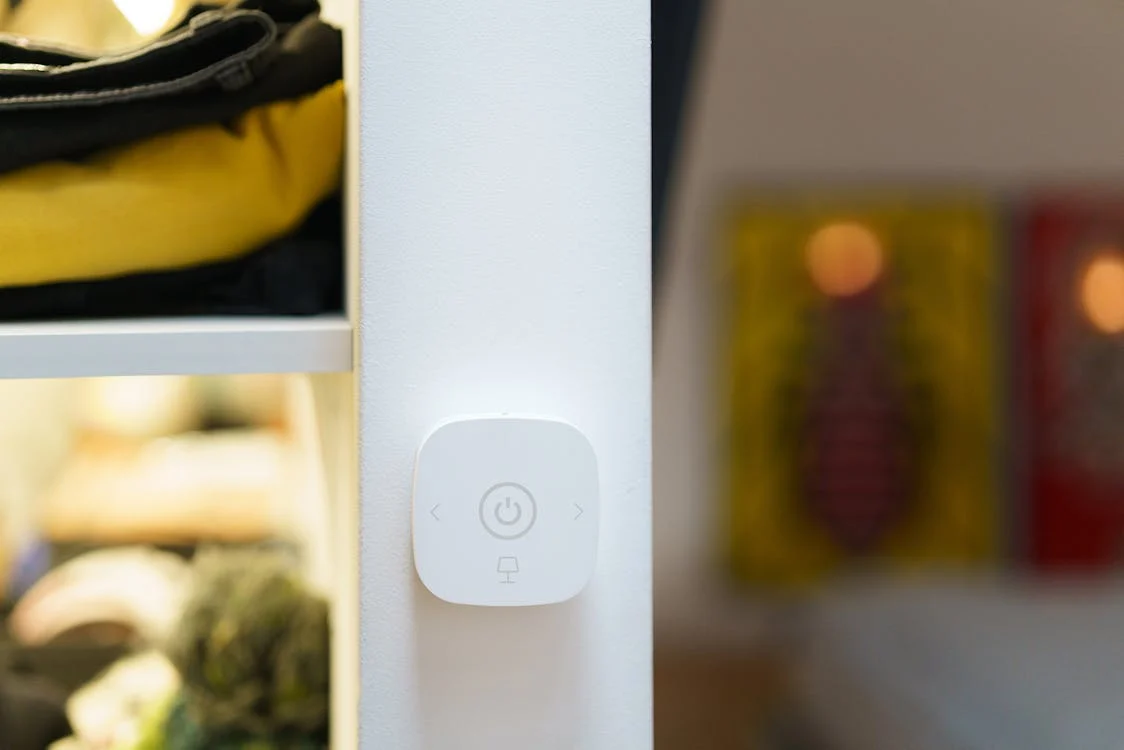
What sets these systems apart is scene programming—the ability to activate multiple lights at specific brightness levels with a single command. My “Movie Night” scene dimly illuminates the path to the kitchen while creating a subtle glow behind the TV. “Good Morning” gradually brightens the bedroom and bathroom while turning on kitchen lights for breakfast preparation.
From an efficiency perspective, whole-home systems excel through occupancy sensing and daylight harvesting. Lights automatically adjust based on natural light availability and turn off in unused rooms, eliminating wasted energy without requiring constant manual adjustment.
Other sophisticated whole-home options:
- Control4: Entertainment-focused system with extensive third-party integration
- Savant: Apple-inspired interface with elegant user experience
- Crestron: Commercial-grade system for larger homes
While these systems represent a significant investment (typically starting around $2,000 for basic setups), they offer unparalleled convenience and impressive long-term energy savings that can offset much of the initial cost over time.
5. Energy-Efficient Lighting Solutions for Smart Homes: Advanced Automation
The true genius of smart lighting emerges when we move beyond manual control to intelligent automation—systems that think for themselves and optimize without constant input.
Ecobee SmartSensor technology exemplifies this approach by combining occupancy detection with light level monitoring. These unobtrusive sensors communicate with compatible smart lights to maintain ideal brightness based on actual conditions rather than rigid schedules. When natural light floods your living room on a sunny afternoon, your smart lights automatically dim to maintain consistent illumination while conserving energy.
I’ve placed these sensors in each major room, and the system has learned my patterns over time. The lights in my home office automatically maintain perfect working conditions during the day but switch to a more relaxed setting when I begin using my entertainment system in the evening.
The energy savings from intelligent automation are substantial. Studies show that occupancy-based lighting control can reduce energy consumption by 20-60% depending on the space and usage patterns—far more than simply switching to efficient bulbs.
Other innovative automation solutions:
- Brilliant Control Panel: Combines lighting, music, and climate control
- Hubitat Elevation: Local processing for faster response and greater privacy
- Home Assistant: Open-source platform for advanced customization
The beauty of these systems lies in their ability to fade into the background of daily life. After the initial setup period, you’ll rarely think about adjusting your lights—they simply work, creating the perfect atmosphere while minimizing waste.
6. Circadian Lighting Systems: Syncing with Your Body’s Natural Rhythms
Perhaps the most fascinating development in smart lighting is circadian rhythm technology—systems that adjust color temperature throughout the day to support your body’s natural biological processes.
Adaptive Brightness Control by brands like LIFX and Philips Hue automatically shifts lighting from energizing cool tones in the morning to relaxing warm hues in the evening. This mimics the natural progression of sunlight, helping regulate melatonin production and potentially improving sleep quality and daytime alertness.
I was skeptical about these claims until implementing circadian lighting in my own home. After about two weeks, I noticed I was falling asleep more quickly and waking more refreshed. The transition is subtle—you barely notice it happening—but the cumulative effect on wellbeing can be significant.
The efficiency benefits are interesting here as well. Warmer lighting generally requires less energy than cooler, bluer light. By shifting to amber tones in the evening, circadian systems naturally reduce energy consumption during peak usage hours.
Notable circadian lighting options:
- Philips Hue White Ambiance: Adjustable white temperature without color
- Dyson Lightcycle: Tracks local daylight patterns for precise matching
- Orro Smart Switch: Learns patterns and adjusts automatically
While the wellness benefits are compelling, circadian lighting represents a perfect marriage of comfort and efficiency—the lights are simply providing what you need, when you need it, without waste.
7. Voice and Gesture Control: The Ultimate Convenience Layer
The final piece of the smart lighting puzzle is intuitive control—systems that respond to natural human interaction rather than requiring app management.
Amazon Alexa and Google Assistant integration have transformed how I interact with my lighting. Rather than hunting for a switch in the dark or pulling out my phone, simple voice commands like “turn on kitchen lights” or “dim living room to 30%” make adjustments effortless. This natural interface removes the friction that often plagues technology adoption.
For situations where voice isn’t ideal, gesture control systems like the Wave by Switchbot allow you to trigger lighting changes with simple hand movements. I’ve found this particularly useful when cooking with messy hands or when trying not to wake my partner with voice commands.
Beyond convenience, these interfaces actually improve energy efficiency by making it easier to be mindful about lighting use. When turning lights off is as simple as saying “Alexa, lights off” as you leave a room, you’re much more likely to do it consistently.
Other innovative control interfaces:
- Philips Hue Motion Sensors: Trigger lights only when spaces are occupied
- Apple HomeKit: Seamless control via Siri and the Home app
- Nanoleaf Remote: Physical dodecahedron controller for scene activation
The environmental impact of convenient control shouldn’t be underestimated. According to the Department of Energy, behavioral changes around lighting usage can reduce residential lighting energy consumption by up to 10%—a significant figure when multiplied across millions of homes.
Conclusion: Creating Your Perfect Smart Lighting Ecosystem
Smart lighting represents that rare technology that enhances both form and function—making our spaces more beautiful while simultaneously reducing their environmental impact. The key to success lies not in adopting every innovation mentioned here, but in thoughtfully selecting the elements that address your specific needs and preferences.
For beginners, start with a few smart bulbs in the rooms you use most frequently. Experience how adjustable brightness and color can transform familiar spaces before investing in more comprehensive solutions. As your comfort grows, consider adding light strips for accent lighting and switches for permanent fixtures.
The beauty of today’s smart lighting ecosystem is its modularity—you can start small and expand gradually, integrating new components as your needs evolve. Most major systems now work together through platforms like Amazon Alexa, Google Home, or Apple HomeKit, eliminating the compatibility headaches of earlier generations.
Whether your primary motivation is creating the perfect ambiance for each moment, reducing your energy footprint, or simply enjoying the convenience of automated lighting, today’s smart systems offer unprecedented capabilities that were unimaginable just a few years ago.
What lighting challenges are you looking to solve in your space? Have you already implemented smart lighting with success? I’d love to hear about your experiences in the comments below!


