
Introduction: Refinancing Meets Renovation
You’re sipping your morning coffee, eyeing that outdated kitchen for the hundredth time, or maybe your growing family is finally demanding that long-overdue room addition. You’re ready for a change—but is your wallet? For many homeowners, the idea of tapping into their home’s equity through mortgage refinancing for home improvements sounds like a smart way to breathe new life into their living spaces without high-interest credit cards or personal loans.
But is it actually a wise financial move? Let’s dive into how mortgage refinancing works, the pros and cons of using it for renovations, and how construction companies play a vital role in ensuring your investment truly pays off.
Understanding Mortgage Refinancing:
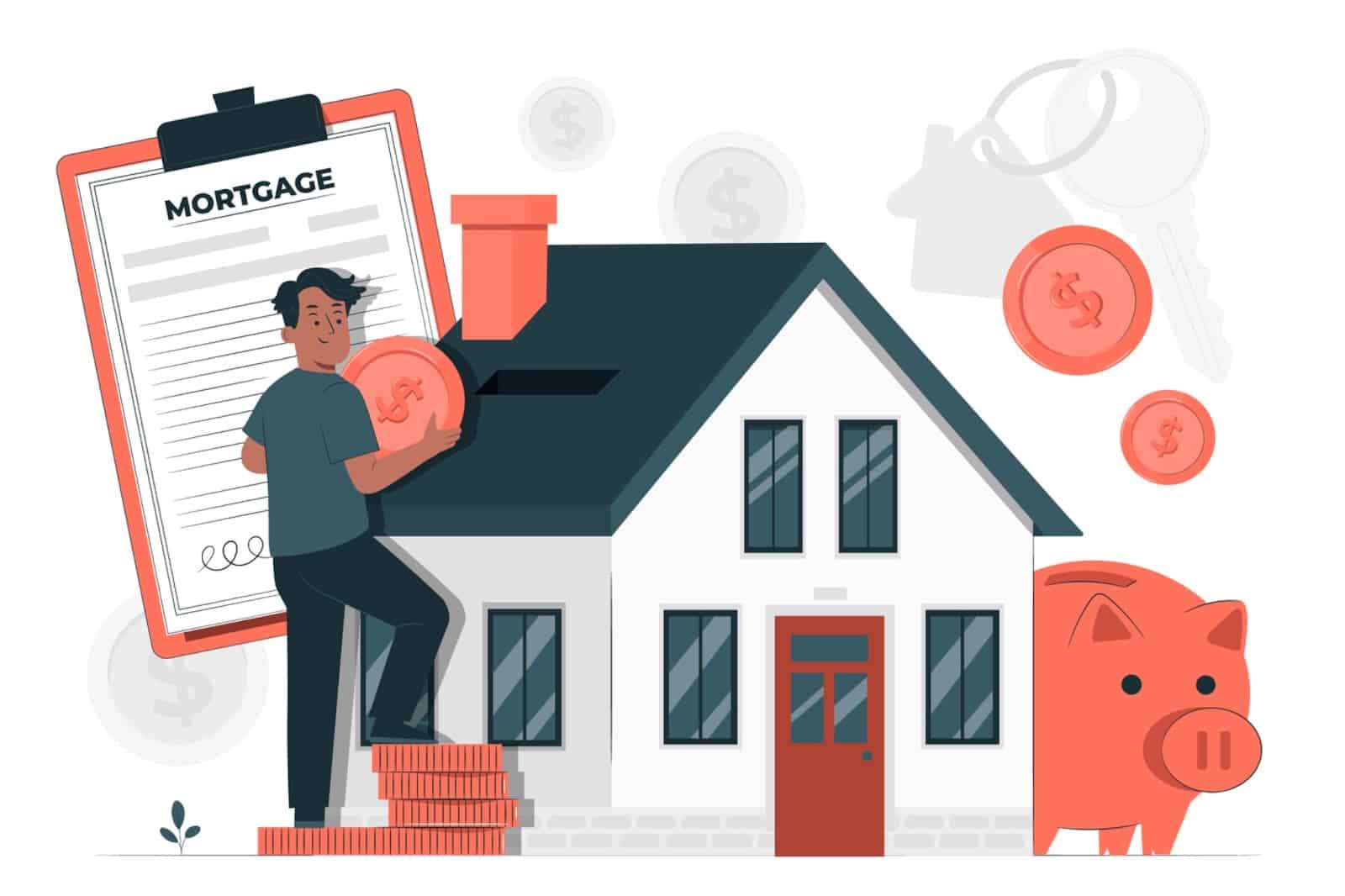
Mortgage refinancing involves replacing your current home loan with a new one, often at a different interest rate, term, or loan amount. Many homeowners choose to refinance to lower their monthly payments, change from an adjustable-rate mortgage to a fixed one, or most relevant here cash out some of their home equity to fund improvements.
With a cash-out refinance, you borrow more than you currently owe on your mortgage and pocket the difference in cash. That money can then be used for anything, including renovations, repairs, or even adding an entire second story.

Why Home Improvements Through Refinancing?
There are several reasons homeowners are choosing mortgage refinancing as a path to home improvement:
Lower Interest Rates Compared to Other Loans
Compared to personal loans or credit cards (which can carry interest rates from 10% to 25%), mortgage loans offer much lower rates—typically in the single digits. Refinancing allows you to finance renovations over the life of the mortgage, which can significantly reduce your monthly payments.
Increased Home Value
Strategic home improvements often increase your property’s market value. Renovating your kitchen, upgrading bathrooms, adding energy-efficient windows, or finishing your basement can offer solid return-on-investment (ROI) down the road—especially if you plan to sell within the next few years.
One Loan, One Payment
Instead of juggling a mortgage and a separate home improvement loan, refinancing can simplify your finances. You’ll have just one monthly payment and one interest rate to manage.
When Is Refinancing for Renovations a Smart Move?
Let’s be honest—refinancing isn’t for everyone. But in the right scenarios, it can be a game-changer:
- You have substantial home equity (typically at least 20%).
- Interest rates have dropped since you first got your mortgage.
- Your credit score has improved, potentially qualifying you for a better rate.
- You plan to stay in your home long enough to recoup the refinancing costs and see the value of your renovations.
If these boxes are ticked, refinancing can stretch your renovation dollars further than you thought possible.
Risks and Considerations:
Still, it’s not all sunshine and skylights. Here are some important caveats to consider before refinancing:
Closing Costs
Refinancing usually involves closing costs ranging from 2% to 5% of your loan amount. For example, on a $300,000 loan, you could pay $6,000–$15,000 in fees—so be sure your renovations are worth the upfront investment.
Longer Loan Term
Extending your loan term can reduce your monthly payment, but you may end up paying more interest over the life of the loan. It’s important to calculate both short-term gains and long-term consequences.
Risk of Overleveraging
A cash-out refinance increases the amount you owe on your home. If property values dip or you need to sell quickly, you could end up owing more than your house is worth.
Types of Renovations That Add Real Value:
If you’re going to refinance for improvements, aim for upgrades that deliver long-term value:
- Kitchen Remodels: A fresh, modern kitchen can recoup 70–80% of its cost.
- Bathroom Additions: Especially in older homes, an extra bathroom adds convenience and resale appeal.
- Energy-Efficient Updates: New HVAC systems, windows, and insulation lower utility bills and attract eco-conscious buyers.
- Curb Appeal Projects: Landscaping, new siding, or a fresh exterior paint job can boost your home’s perceived value dramatically.
- Handling Plumbing Issues: Addressing leaks, outdated pipes, or poor water pressure ensures functionality and prevents costly future repairs.
The Role of Construction Companies in Renovation Success:
This is where partnering with a reputable construction company comes in. Whether you’re knocking down walls or building a new home office, you want a licensed, insured, and experienced crew who can execute your vision—on time and on budget.
Why Construction Companies Matter:
Accurate Budgeting and Estimates
A seasoned contractor helps you avoid the biggest financial pitfall: underestimating costs. They’ll provide a realistic quote and often spot issues you might miss on your own.
Quality Assurance and Compliance
Professional builders ensure that work is up to code—critical when dealing with permits and inspections. Cutting corners can hurt your home’s safety and resale value.
Project Management Expertise
Home renovations can quickly spiral out of control. Construction companies handle timelines, subcontractors, permits, and more, giving you peace of mind while protecting your financial investment.
Helping You Prioritize High-ROI Projects
The best construction companies will guide you toward improvements that maximize home value, helping you make the most of your refinanced funds.

Refinancing Alternatives for Renovation:
Not convinced refinancing is the best option? Consider these alternatives:
- Home Equity Line of Credit (HELOC): Flexible, interest-only payments during the draw period, but variable rates can rise over time.
- Home Equity Loan: A second mortgage with fixed payments and rates.
- FHA 203(k) Loans: Designed specifically for buyers and homeowners looking to finance home renovations.
Each has its pros and cons, so it’s worth comparing side by side depending on your financial situation and renovation scope.
Real-Life Example: A Smart Refinance in Action
Take Sarah and James, a couple with two young kids. They bought their starter home six years ago at a 5.5% mortgage rate. Now, with rates around 4% and about $80,000 in equity, they refinance their $200,000 loan to a new $250,000 loan, using the $50,000 difference to add a bedroom and modernize the kitchen.
With help from a construction company that specializes in family-focused remodels, they complete the project in four months. Not only does their monthly mortgage stay nearly the same due to the lower interest rate, but their home’s value jumps by $70,000—making the refinance a strategic win.

Conclusion: Renovate with Purpose, Refinance with Confidence
Mortgage refinancing for home improvements can be a powerful financial tool—if you go into it with a clear plan, realistic goals, and expert support. The key is to treat your renovation as an investment, not just an expense.
If you’re eyeing a major home upgrade, start by evaluating your current mortgage, checking your home equity, and consulting both a financial advisor and a trusted construction company. Done right, refinancing can help you create the home of your dreams—while boosting your financial future.


