
Drawing is a skill that can feel both exciting and intimidating when you’re first starting out. The good news? Anyone can learn how to draw with the right mindset, tools, and practice. Whether you’re picking up a pencil for the first time or trying to rekindle a childhood love for art, this guide will help you build a solid foundation and set you on a path for lifelong learning.
This isn’t just a step-by-step tutorial—it’s a roadmap that explains what you need to know, why it matters, and how to practice in ways that will keep you motivated and growing as an artist.
Why Learn to Draw?
Before we dive into the “how,” let’s talk about why learning to draw is so rewarding. Drawing is more than just creating pretty pictures—it’s about training your brain to see the world differently. It sharpens your observational skills, boosts creativity, and gives you a way to express yourself visually. Plus, it’s incredibly meditative and satisfying.
The best part? Drawing isn’t about talent—it’s about practice. Every great artist started as a beginner, making wobbly lines and awkward sketches. The difference between them and someone who gives up is persistence.
The Mindset of an Artist: Start with Curiosity
The first thing you need as a beginner artist isn’t fancy tools or perfect technique—it’s curiosity. Approach drawing with an open mind and a willingness to experiment. Don’t worry about making mistakes; they’re part of the process.
Think of drawing as learning a new language. At first, you’ll stumble over the “vocabulary” (lines, shapes, shading), but over time, you’ll become fluent in expressing yourself visually.
Getting Started: The Basics You Need to Know
If you’re brand new to drawing, start here. These foundational concepts will give you the tools to begin creating and understanding art.
1. Mastering Line and Shape
At its core, drawing is about lines and shapes. Everything—whether it’s a face, a tree, or a car—can be broken down into simple geometric forms like circles, squares, triangles, and lines.
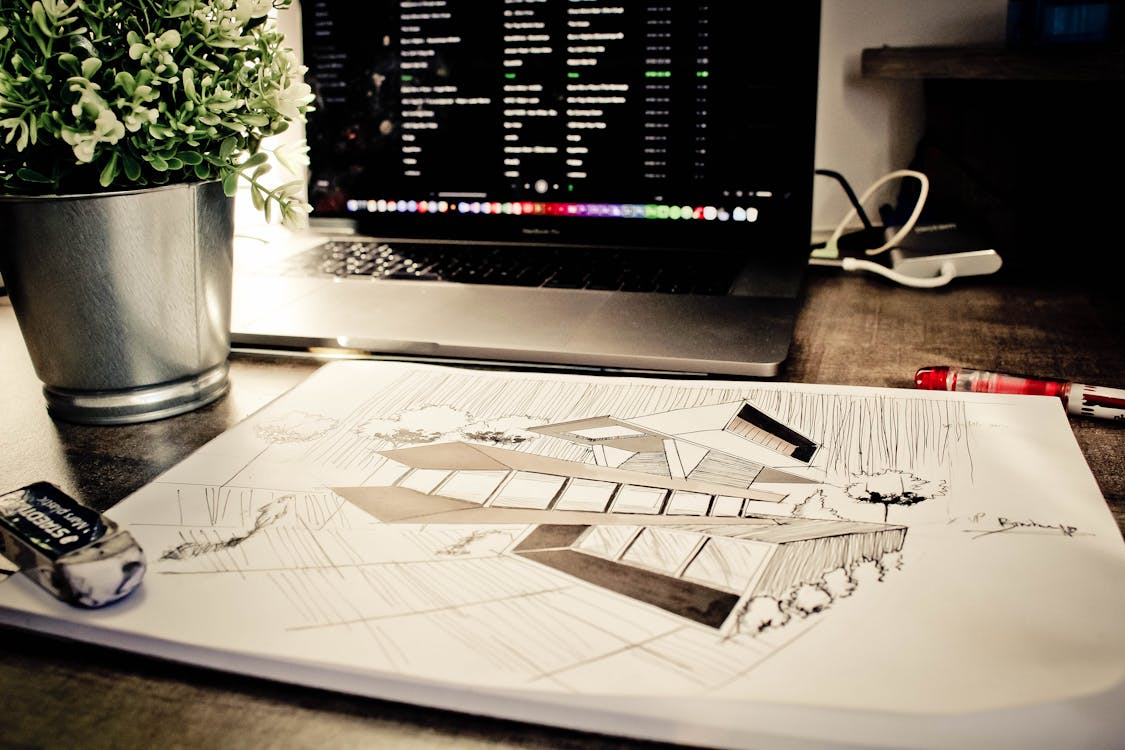
- Why It Matters: Learning to see objects as combinations of shapes helps simplify complex subjects.
- How to Practice: Find an object near you (like a coffee mug or lamp). Break it down into its basic shapes (e.g., a cylinder for the mug). Sketch these shapes lightly on paper before adding details.
Try This Exercise: Draw 10 circles on a page without using any tools (no tracing or compasses). Then turn each circle into something different—a face, the sun, an orange—using only simple lines.
2. Understanding Light and Shadow
Light transforms flat shapes into three-dimensional forms. When light hits an object, it creates highlights (bright areas) and shadows (dark areas). Learning how to shade effectively can make your drawings look realistic.
- Why It Matters: Shading adds depth and dimension to your work.
- How to Practice: Start by creating a value scale—a gradient from light gray to black using your pencil. Then apply this shading technique to basic forms like spheres or cubes.
Try This Exercise: Place an apple or ball under a lamp. Observe where the light hits (the highlight) and where shadows fall. Sketch the object lightly, then shade it based on what you see.
3. Perspective: Creating Depth
Perspective is what makes objects look like they exist in space rather than floating on your paper. It’s all about understanding how objects appear smaller as they move farther away from the viewer.
- Why It Matters: Perspective gives your drawings realism and structure.
- How to Practice: Start with one-point perspective by drawing a horizon line (where the sky meets the ground) and placing one vanishing point on it. Practice drawing simple objects like boxes that converge toward this point.
Try This Exercise: Draw a road disappearing into the distance using one-point perspective. Add trees or buildings along the road for practice.
4. Observation: Drawing What You See
One of the most common beginner mistakes is drawing what you think something looks like rather than what it actually looks like. Observation is about training your eyes to notice details—proportions, angles, textures—that your brain might overlook.
- Why It Matters: Observation helps you draw more accurately.
- How to Practice: Choose an everyday object (like your hand). Spend 5 minutes observing it closely before putting pencil to paper. Notice its shape, size relative to other parts, and unique details.
Try This Exercise: Hold up your hand in front of you and sketch it without looking at your paper (a “blind contour” drawing). This forces you to focus entirely on observation rather than perfection.
Building Momentum: How to Keep Improving
Once you’ve grasped the basics, it’s time to develop habits that will keep you improving over time.
1. Practice Consistently
Set aside time every day—or at least several times per week—to draw. Even 15 minutes of focused practice can make a big difference over time.
2. Experiment with Mediums
While pencil is great for beginners, don’t be afraid to try other tools like charcoal (for bold shading), ink pens (for line work), or digital tablets (if you’re interested in digital art).
3. Study Other Artists
Look at drawings by artists you admire—whether they’re classical masters like Leonardo da Vinci or contemporary illustrators on Instagram. Pay attention to their techniques and try replicating their work as an exercise (just don’t claim it as your own!).
4. Seek Feedback
Join online art communities like Reddit’s r/learnart or DeviantArt where you can share your work and get constructive feedback from other artists.
Helping Kids Learn How to Draw
If you’re introducing drawing to children, focus on making it fun rather than technical:
- Start with Playful Exercises – Encourage kids to doodle freely without worrying about “rules.” Use prompts like “Draw your favorite animal” or “Invent a new kind of monster.”
- Use Step-by-Step Guides – Kids often enjoy tutorials that break down drawings into simple steps—for example, turning circles into animals or faces.
- Celebrate Creativity – Instead of critiquing their work (“That doesn’t look like a dog”), ask open-ended questions like “What’s happening in this picture?” This builds confidence while nurturing imagination.
Final Thoughts: Your Artistic Journey
Learning how to draw is less about reaching an endpoint and more about enjoying the process of growth. You’ll have days when your sketches don’t turn out how you imagined—and that’s okay! Every line you put on paper brings you closer to understanding how art works.
The most important thing is this: keep going. Over time, you’ll look back at your early sketches with pride because they’ll show how far you’ve come.
So grab your pencil, find something interesting around you—and start drawing today!
Additional Resources –
We wanted to leave you with some additional resources that can help you with your journey – be sure to bookmark this page so you don’t lose them!
Free Online Learning Platforms
- Drawabox – A structured, exercise-based platform focusing on the fundamentals of drawing, including mark-making, perspective, and 3D construction. Perfect for beginners looking for a disciplined approach.
- Proko – Offers free and paid tutorials on drawing basics, anatomy, gesture, and shading. Proko is especially popular for its engaging video lessons on YouTube.
- Ctrl+Paint – A resource for both traditional and digital drawing techniques, with a focus on digital painting fundamentals. Free tutorials are available to get started.
- RapidFireArt – A beginner-friendly platform offering step-by-step tutorials covering perspective, proportions, shading, and more.
Books on Drawing Fundamentals
- Drawing on the Right Side of the Brain by Betty Edwards – A classic book that teaches beginners how to see the world like an artist and translate it into drawings. Highly recommended for foundational skills.
- Figure Drawing for All It’s Worth by Andrew Loomis – A timeless guide to figure drawing that covers proportions, anatomy, and composition in depth.
- Fun with a Pencil by Andrew Loomis – A beginner-friendly introduction to drawing that focuses on simple shapes and cartoon-like characters—great for building confidence early on.
Community Platforms
- r/learnart (Reddit) – A subreddit dedicated to helping artists improve through feedback, discussions, and shared resources. Great for connecting with other learners and getting critique on your work.
- DeviantArt Tutorials – A hub for artist-created tutorials covering everything from basic techniques to advanced concepts like lighting and anatomy.
Video Tutorials
- Circle Line Art School (YouTube) – Offers free tutorials focusing on perspective drawing, 3D illusions, and realistic sketches of animals and people. Ideal for visual learners who enjoy step-by-step guidance.
- SchaeferArt (YouTube) – Covers foundational topics like perspective, shading, and composition through clear explanations and examples tailored for beginners.
Specialized Resources
- Line of Action – A tool for practicing figure drawing with timed pose references—excellent for improving gesture drawing skills and speed.
- Arty Factory – Offers free tutorials on a variety of topics like still life, portraits, and animal drawings using different mediums (e.g., pencil, charcoal).


