
French press brewing is a classic method that delivers rich, full-bodied coffee through a simple immersion process. This traditional brewing technique requires no electricity, expensive machines, or special skills, yet produces one of the most robust and flavorful cups of coffee possible. The French press works by fully immersing coarsely ground coffee beans in hot water, then using a plunger with a metal mesh filter to separate the grounds, resulting in a clean, satisfying brew that preserves the coffee’s natural oils and flavors.
What You’ll Need
French Press
A clean French press pot is the cornerstone of this brewing method. French presses typically come in various sizes such as 4-cup, 8-cup, or 12-cup models. It’s worth noting that in coffee terminology, a “cup” is typically about 4 ounces, not a standard 8-ounce measuring cup. The French press consists of a cylindrical beaker (usually glass or transparent plastic) and a plunger with a filter screen attached to the bottom.
Coffee
Coarsely ground coffee beans are essential for French press brewing. The ideal grind resembles sea salt or breadcrumbs, with particles measuring between 690-1300 microns. Using the proper grind size is crucial—too fine a grind will result in a muddy cup with excessive sediment and potential clogging of the filter.
Water
Hot water at approximately 195-200°F (93-95°C) provides the optimal brewing temperature. This is slightly below boiling point, which you can achieve by bringing water to a boil and then letting it sit for about 30 seconds before brewing.
Stirrer & Timer
You’ll need a non-metal stirrer (plastic or wooden) to avoid scratching or potentially cracking the glass beaker, and a timer to track the brewing process accurately.
Steps to Brew Coffee
1. Preheat the Press (Optional)
Pour hot water into your empty French press and swirl it around to warm the vessel. Discard this water before brewing. Preheating helps maintain a consistent brewing temperature throughout the process.
2. Add Coffee Grounds
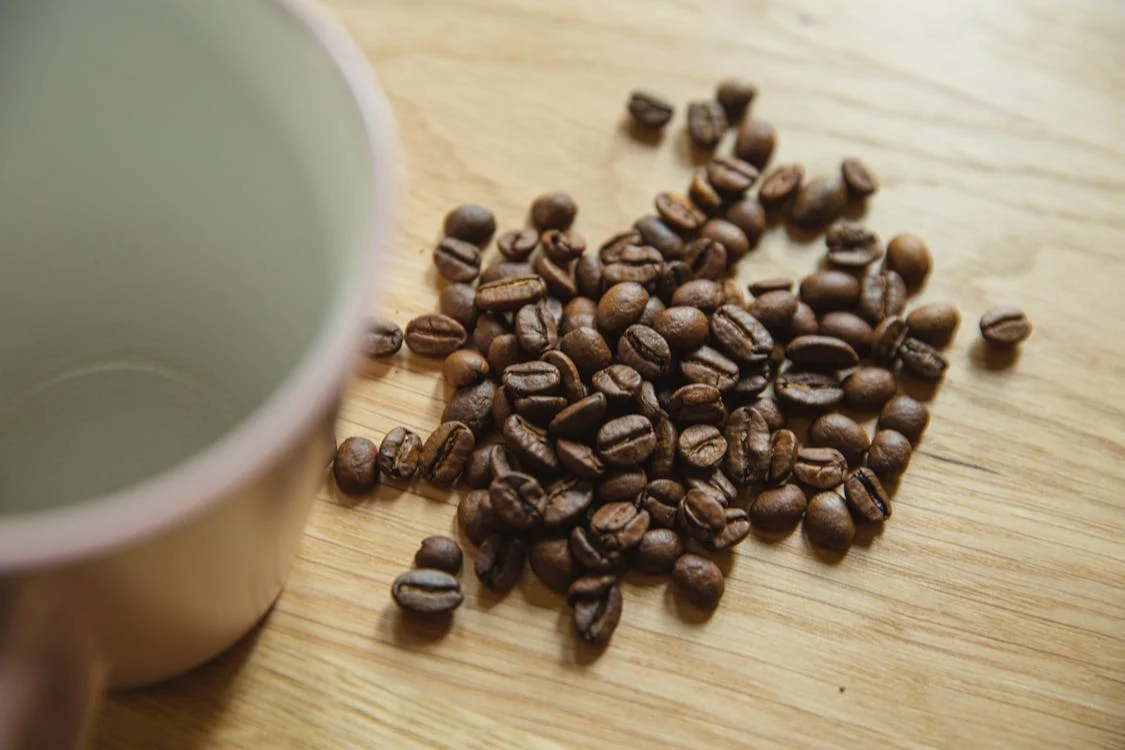
For a balanced strength, use a coffee-to-water ratio of approximately 1:15 to 1:16 by weight. This translates to about 60g of coffee for a 900g (900ml) of water, or roughly 1-2 tablespoons of coffee per 6 ounces of water. Add your coarsely ground coffee to the empty, preheated press.
3. Add Hot Water
Start your timer and begin pouring hot water over the grounds. Some brewers prefer to add just enough water initially to saturate the grounds (known as the “bloom” phase), wait about 30 seconds, and then add the remaining water. This helps release CO2 and enables more even extraction. After adding all the water, gently stir to ensure all grounds are fully saturated.
4. Steep
Place the lid on the press with the plunger pulled up, which helps retain heat. Let the coffee steep for approximately 4 minutes for a balanced flavor profile. This is the standard brewing time, though you can adjust based on preference—shorter for a lighter brew, longer for a stronger cup.
5. Plunge
When the steeping time is complete, slowly and steadily press the plunger down with even pressure. This should take about 15-20 seconds—pressing too quickly might cause hot coffee to splash out. If you encounter significant resistance, your grind may be too fine.
6. Serve Immediately
Pour the coffee into cups right away after plunging. This is crucial as leaving the coffee in contact with the grounds will cause it to continue extracting and become increasingly bitter over time. If you’re not serving all the coffee at once, transfer the remainder to a separate carafe or thermal container.
Tips for Best Results
Proper Grind
The importance of a coarse grind cannot be overstated. A proper coarse grind allows for optimal extraction while preventing over-extraction and bitterness. It also ensures the plunger can move smoothly without excessive resistance. Using a burr grinder provides the most consistent results, as it creates uniform particles that extract at the same rate.
Water Quality
Since coffee is approximately 98% water, using filtered water significantly improves taste. Poor water quality can introduce unwanted flavors and undermine even the highest quality coffee beans.
Experiment with Ratios
Coffee strength is a matter of personal preference. If you prefer a stronger brew, try a 1:10 ratio which will produce bold, thick flavors. For a lighter cup, a 1:16 ratio yields more subtle, tea-like characteristics. Don’t hesitate to adjust ratios until you find your perfect cup.
Avoid Common Brewing Mistakes
Over-extracted, bitter coffee typically results from three main factors: coffee ground too finely, brewing for too long, or water that’s too hot. If your coffee tastes bitter, adjust these variables accordingly. Conversely, under-extracted coffee might taste weak or sour, indicating you need a finer grind, longer brew time, or more coffee.
Clean Thoroughly
After brewing, discard the grounds (preferably in compost rather than down the sink) and rinse the press thoroughly. Periodically disassemble the filter screen assembly and clean each component to remove coffee oils and residue that can affect future brews.
Alternate Uses
The French press is a versatile tool that extends beyond coffee brewing. You can use it to steep loose leaf tea (adjusting steep time according to tea type), prepare cold brew coffee (steeping grounds in cold water overnight), or even froth milk by repeatedly moving the plunger up and down in warm milk.
Conclusion
The French press represents one of the most accessible yet rewarding methods of coffee brewing available. By following these basic steps—adding coarse grounds, hot water, waiting patiently, and plunging gently—you can consistently produce exceptional coffee with rich flavor and full body. The simplicity of the process belies the complexity of the result, yielding a cup that preserves coffee’s natural oils and subtle flavor notes that paper filters often trap.
As you become more comfortable with this brewing method, don’t hesitate to experiment with different coffee varieties, origins, and roast levels to discover new flavor profiles. The French press’s straightforward approach makes it an ideal canvas for exploring the vast world of coffee while developing your palate and preferences. With a little practice and attention to detail, you’ll soon be brewing coffee that rivals the best cafés—all with this classic, elegant device.


