
There’s a revolution happening in our living rooms, and for once, it’s not about sacrificing comfort for style. I’ve watched furniture trends come and go over the years, but 2025 has brought something truly refreshing to the table—or should I say, to the sofa? The era of stiff, Instagram-worthy but sit-at-your-own-risk furniture is finally behind us. Today’s design philosophy celebrates pieces that invite you to sink in while still looking sophisticated enough to impress your most judgmental friends.
I recently visited a friend’s newly furnished apartment and found myself reluctant to leave her cloud-like sectional. “This is what furniture should be,” I thought as I sank deeper into the cushions while admiring how the rounded edges and earthy tones complemented her space perfectly. The experience got me thinking about how furniture has evolved to meet our changing needs, especially as young adults continue to redefine what home means in 2025.
Whether you’re setting up your first apartment or upgrading your existing space, these comfortable furniture trends of 2025 will help you create a home that feels as good as it looks. Let’s dive into the cozy revolution transforming our living spaces.
1. Oversized Seating: The Bigger, The Better
Remember when slim-profile, mid-century modern sofas ruled every Pinterest board? Well, those days are behind us. In 2025, oversized seating has become the crown jewel of comfortable living spaces.
The trend toward oversized furniture actually makes perfect sense. After years of multifunctional spaces where our living rooms doubled as offices, gyms, and entertainment centers, we’ve collectively realized that furniture should accommodate our full lives—not just our aesthetic preferences.
What makes oversized seating so appealing is its versatility. A plush, deep-seated sectional can be:
- A cozy spot for movie marathons
- The perfect place to work from home when you need a change of scenery
- An impromptu guest bed when friends stay over
- The gathering place for game nights and conversations
I recently invested in a cloud sofa (you know the type—so deep you need to use throw pillows as back support if you want to sit upright), and it’s completely transformed how I use my living room. My friends actually want to hang out at my place now, and I’ve found myself reading more simply because I have the perfect spot to curl up with a book.
2. Curved and Rounded Edges: Softening Our Spaces
Sharp angles and boxy furniture are taking a backseat to curved and rounded designs in 2025. This shift isn’t just about aesthetics—it’s about creating a psychologically comforting environment.
There’s something inherently inviting about curved furniture. Studies have shown that rounded shapes can reduce stress and anxiety, creating a more welcoming atmosphere. Maybe that’s why I find myself gravitating toward the rounded armchair in my living room after a long day.
The curved furniture trend is appearing in:
- Crescent-shaped sofas that encourage conversation
- Barrel chairs that seem to hug you when you sit down
- Round coffee tables that are safer (no more bruised shins!) and more conducive to gathering around
- Rounded ottomans that can function as seating, footrests, or coffee tables
What I love about this trend is that it softens even the most modern spaces. My apartment has concrete floors and exposed ductwork, but adding a curved sofa and rounded accent pieces has transformed the industrial box into somewhere that actually feels like home.
3. Performance Fabrics: Practical Luxury
In what might be the most revolutionary furniture development of 2025, performance fabrics have gone from being a practical necessity for homes with kids and pets to a standard feature in high-design furniture.
I still remember my mother’s formal living room with its “look but don’t touch” white sofa. Today’s performance fabrics have rendered that concept obsolete, allowing us to have both beautiful and resilient pieces.
The newest performance fabrics offer:
- Stain resistance that actually works (I’ve tested mine with red wine—unintentionally, but still impressive)
- Moisture-wicking properties that keep you comfortable during Netflix binges
- Fade resistance for furniture placed near windows
- Durability that stands up to daily use without showing wear
What’s particularly exciting about 2025’s performance fabrics is that they no longer feel like obvious “outdoor” materials. The bouclé, velvet, and linen-look options are virtually indistinguishable from their less durable counterparts, but they’ll stand up to whatever your lifestyle throws at them.
I recently hosted a housewarming party where a friend spilled an entire glass of cabernet on my new cream-colored sectional. After a brief moment of panic, I blotted it with a paper towel and watched in amazement as the stain completely disappeared. That’s the magic of today’s performance fabrics—they free you from the anxiety of actually living with your furniture.
4. Multifunctional and Modular Designs: Flexibility First
If there’s one word that defines furniture trends in 2025, it’s “flexibility.” Young adults today are dealing with smaller living spaces, frequent moves, and the need for our homes to serve multiple purposes. Furniture designers have responded with ingenious modular and multifunctional designs that adapt to our changing needs.
Modular furniture systems allow you to:
- Reconfigure seating arrangements based on the occasion
- Add or subtract pieces as your space and needs change
- Create custom configurations that perfectly fit your unique room dimensions
- Take your furniture with you when you move, knowing it will adapt to new spaces
I invested in a modular sofa system last year, and it’s been a revelation. When I have friends over, I arrange it as a large conversation pit. When I’m working from home, I separate the pieces to create distinct zones for work and relaxation. And when my parents visit, I can quickly transform part of it into a comfortable guest bed.
Beyond sofas, we’re seeing multifunctionality in:
- Coffee tables with hidden storage and adjustable heights
- Ottomans that serve as seating, tables, and storage units
- Bedroom furniture with integrated charging stations and smart features
- Dining tables that adjust from work desk height to dining height
5. Textural Richness: Layers of Comfort
In 2025, texture has become as important as color in creating comfortable spaces. The trend toward textural richness adds depth and interest to furniture while enhancing the sensory experience of your home.
The newest comfortable furniture embraces:
- Bouclé fabrics that feel like a teddy bear hug
- Ribbed textures that add visual interest and tactile comfort
- Quilted upholstery that combines visual texture with physical softness
- Mixed materials that create contrast and intrigue
What makes this trend so appealing is that texture can make even the most minimal design feel warm and inviting. I recently saw a monochromatic room that could have felt sterile, but the designer had incorporated so many different textures that it was actually one of the coziest spaces I’d ever experienced.
Adding textural elements to your furniture is also one of the most affordable ways to stay current with trends. Even if you can’t replace your sofa, draping it with a chunky knit throw or adding some ribbed velvet pillows can instantly update its look and feel.
6. Earth Tones and Natural Materials: Grounded Comfort
While color trends come and go, 2025 has seen a continued embrace of earth tones and natural materials in furniture design. This shift reflects our collective desire to feel more connected to nature, especially as our lives become increasingly digital.
The palette dominating comfortable furniture includes:
- Warm neutrals like oatmeal, camel, and stone
- Rich earthy hues such as terracotta, olive, and ochre
- Nature-inspired blues and greens that evoke sky, ocean, and forest
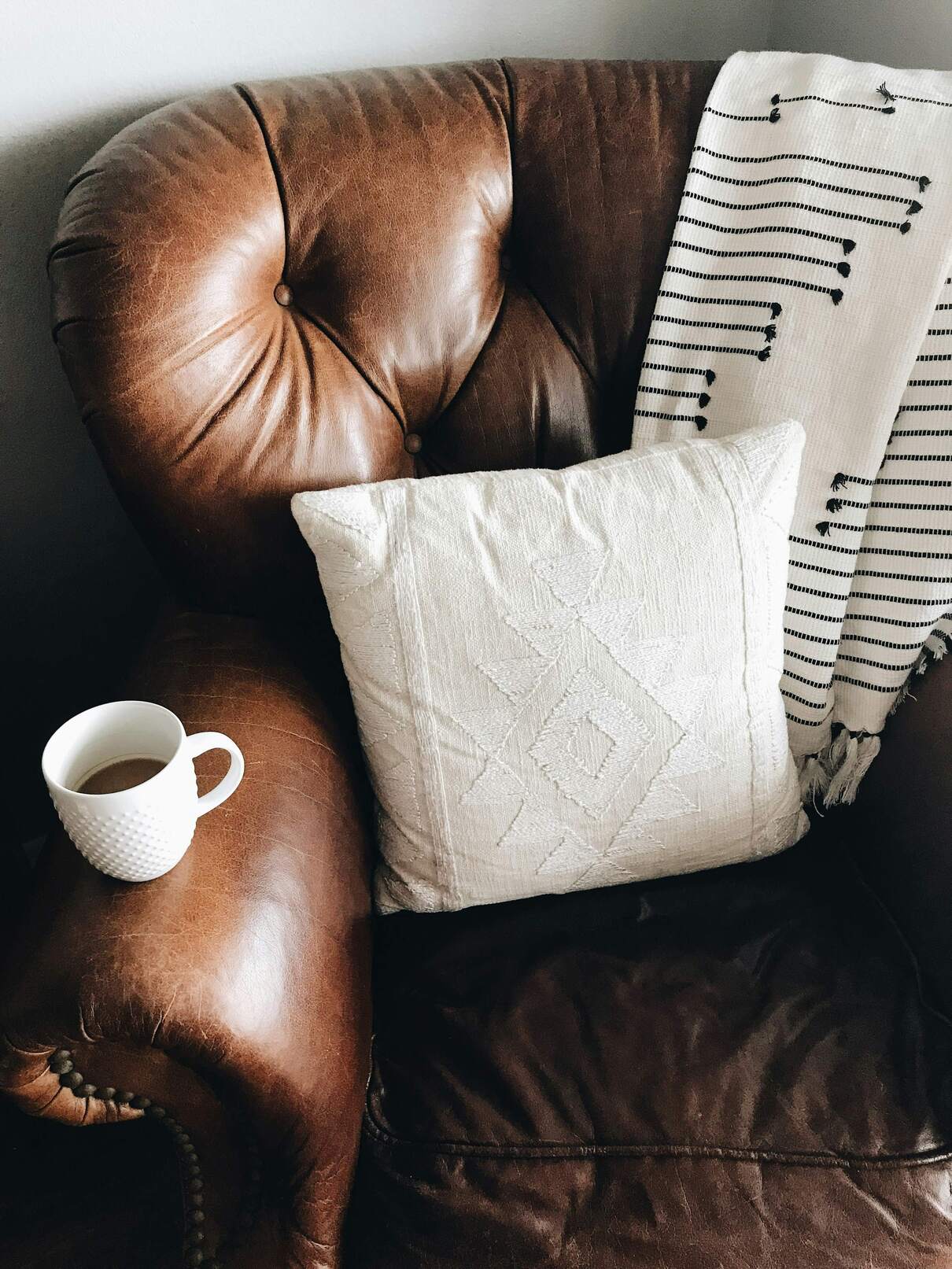
These colors pair beautifully with natural materials like:
- Sustainably harvested woods with visible grain
- Natural stone for table tops and accents
- Organic fibers like cotton, linen, and wool
- Rattan and cane for lightweight visual interest
What I find most refreshing about this trend is its longevity. Unlike the bold colors and synthetic materials that quickly date themselves, these earth tones and natural elements have a timeless quality. My investment in a cognac leather armchair feels just as relevant today as it will five years from now.
7. Smart Comfort: Technology Integration
Comfort in 2025 isn’t just about how furniture feels—it’s also about how it functions with our technology-driven lives. Smart furniture has evolved from a novelty to an essential element of comfortable living.
The most exciting developments in smart furniture include:
- Built-in wireless charging surfaces that eliminate cable clutter
- Climate-controlled seating that adjusts to your preferred temperature
- App-controlled adjustable frames for personalized comfort
- Integrated lighting systems that create the perfect ambiance
I was skeptical about smart furniture until I tried a friend’s adjustable sectional that remembered my preferred sitting position. One touch of a button and the back adjusted to my exact specifications—it was like having furniture that knows me.
What makes today’s smart furniture different from earlier iterations is its seamless integration. Technology is hidden within beautiful design, emerging only when needed. No more obvious gadgetry disrupting your aesthetic.
8. Biophilic Elements: Bringing the Outdoors In
Comfortable furniture trends in 2025 increasingly incorporate biophilic design principles—strategies that connect occupants more closely to nature. This approach has proven benefits for mental health and wellbeing, making it a natural fit for furniture designed to maximize comfort.
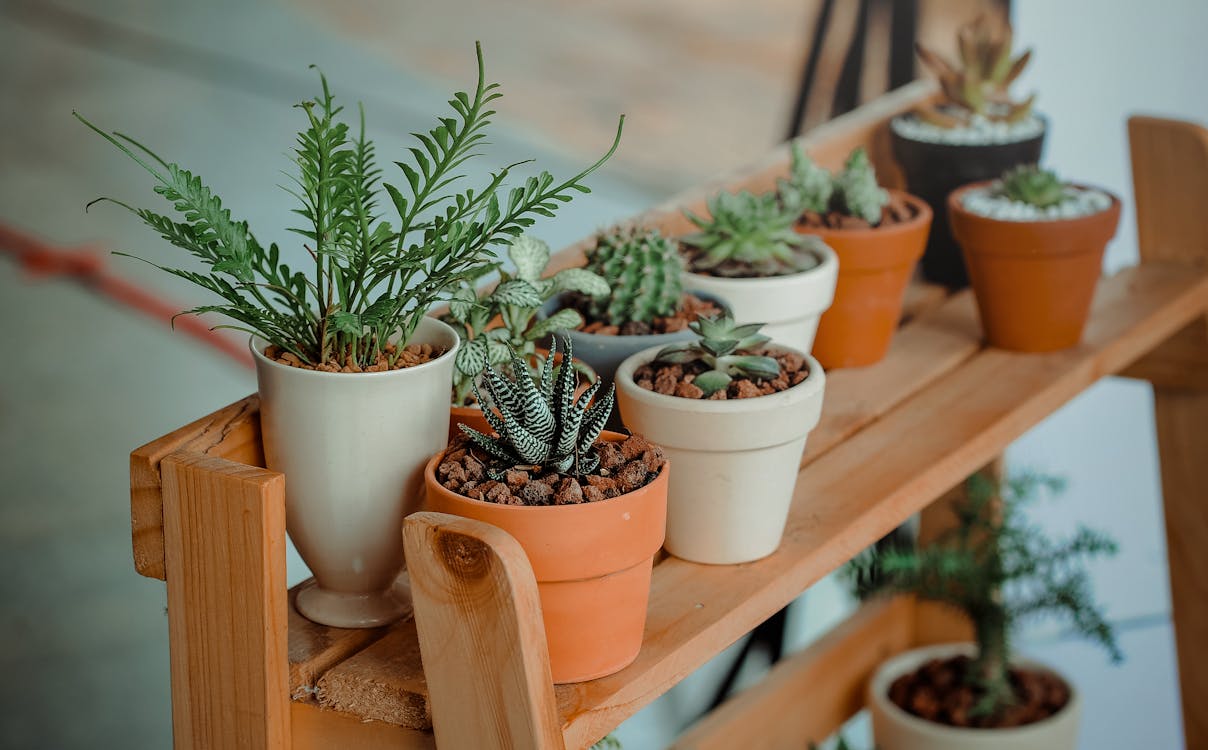
Biophilic elements in furniture include:
- Living edge wood tables that preserve the natural contours of the tree
- Plant-integrated furniture like sofas with built-in planters
- Nature-inspired forms that mimic organic shapes
- Materials and colors that reflect natural environments
I’ve incorporated biophilic design by choosing a coffee table made from a cross-section of a fallen oak tree. Every morning, I trace the rings with my finger while drinking coffee, feeling a connection to something that existed long before I did. It’s a small thing, but it grounds me in a way that mass-produced furniture never could.
9. Inclusive Design: Comfort for Everyone
Perhaps the most important comfortable furniture trend of 2025 is the move toward inclusive design—furniture created to accommodate people of all ages, sizes, and abilities without sacrificing style.
Inclusive design features include:
- Adjustable heights to accommodate different body types
- Firmer cushioning options that make rising easier for people with mobility issues
- Removable covers for easy cleaning and maintenance
- Armrests and support features that blend seamlessly into beautiful designs
What’s remarkable about the inclusive design movement is how it benefits everyone, not just those with specific needs. I’ve found that furniture designed with accessibility in mind is often more comfortable and versatile for all users.
My favorite example is my dining chairs—they have slightly higher seats and subtle armrests that make them comfortable for hours of conversation, but the design is so sleek that you’d never guess they were created with inclusive principles in mind.
10. Sustainable Comfort: Ethical and Eco-Friendly
The final trend shaping comfortable furniture in 2025 is the emphasis on sustainability. Young consumers are demanding transparency about materials and manufacturing, and furniture companies are responding with truly sustainable options that don’t compromise on comfort.
Sustainable furniture features:
- Recycled and upcycled materials transformed into luxurious fabrics and fillings
- Zero-VOC finishes that don’t off-gas harmful chemicals
- Modular designs that can be repaired rather than replaced
- Clear information about supply chains and manufacturing practices
I recently purchased a sofa made from recycled plastic bottles (though you’d never know it from its plush feel), and the company provided complete information about how it was made, right down to the factory conditions and wages paid to workers. That level of transparency gives me peace of mind—a different kind of comfort that’s just as important as physical coziness.
Bringing It All Together: Creating Your Comfortable Haven
As we navigate through 2025, the line between style and comfort continues to blur in the most delightful way. No longer do we need to choose between a beautiful home and one that actually feels good to live in. Today’s furniture trends embrace both, creating spaces that nourish our bodies and spirits.
When updating your own space, remember that comfort is deeply personal. While oversized sofas might be trending, you might find a pair of plush armchairs more suitable for your needs. The beauty of 2025’s furniture landscape is the variety of options available—all designed with both form and function in mind.
I’ve found that the most comfortable homes aren’t those that rigidly follow trends, but rather those that thoughtfully incorporate elements that enhance the owner’s actual lifestyle. My advice? Choose pieces that make you sigh with relief when you sink into them, smile when you look at them, and function seamlessly with how you actually live.
After all, true comfort isn’t just about how something feels for a moment—it’s about how it makes you feel at home in your own space, day after day. And that’s a trend that will never go out of style.
What comfortable furniture trends are you most excited to incorporate into your home this year? I’d love to hear about your favorites in the comments below!


